Showing posts with label Radiation. Show all posts

Why China Cares About WiFi Router Distance and Router Security

wifi router security

When Health Meets Cyber Trust

When Dead Zones published How Far Should a WiFi Router Be From Where You Sleep?”, the assumption was that most readers would come from the U.S. or Europe. Instead, traffic poured in from Lanzhou, Shenzhen, and Singapore.

At first glance, that might seem like a regional curiosity. But the pattern reveals something deeper: in these hyper-connected Asian cities, concern about WiFi routers isn’t only about radiation or sleep quality — it’s also about security, trust, and digital dependence.


1. Dense Urban Living and Proximity Anxiety

In megacities like Shenzhen and Singapore, space is scarce and every device shares close quarters with daily life. Routers often sit within a meter of the bed or desk. For many apartment dwellers, questions about “how far is safe” are literal — not hypothetical.

In Lanzhou, rapid high-rise construction and small unit designs mean bedrooms and living rooms often merge. Residents have nowhere to place the router but near where they sleep. Combine that with social-media stories about “WiFi radiation,” and curiosity spikes.


2. EMF Concerns Blend With Broader Safety Anxiety

Chinese-language search data shows millions of monthly queries for “路由器 离 床 多远 安全” (“how far should the router be from the bed”). Those results mix health tips with cybersecurity warnings — because for many users, routers symbolize invisible risk of all kinds.

China’s GB 8702-2014 sets electromagnetic-exposure limits, but most people never read the document. They want clear, actionable guidance like yours: keep it 1–2 meters away. That simple rule feels doable and shareable — hence viral growth.


3. From Digital Detox to Digital Defense

In Shenzhen, employees at Huawei, Tencent, and DJI spend days immersed in electronics. At night they try to reclaim calm by moving routers away or powering them down. That mixes wellness culture with cyber-hygiene — protecting both body and data.

In Singapore, public campaigns encourage digital balance and home-network security. Your article serves both audiences at once: the health-conscious and the cyber-aware.


4. The Cybersecurity Backdrop: When Routers Make Headlines

While individuals worry about health, governments worry about data integrity. Routers have become front-page news worldwide as Chinese equipment faces political and security scrutiny:

  • Oct 2025 — FCC tightens approval on Huawei and ZTE. The U.S. FCC advanced rules to block or revoke device authorizations for “Covered List” vendors and audit foreign testing labs used to certify networking gear. Effect: older Huawei/ZTE hardware could lose U.S. market access.

  • Sep 2025 — CISA alert on Chinese-linked router exploitation. A joint U.S.–allied advisory warned that state-sponsored actors were abusing small-office and home routers to maintain long-term access. Mitigation: patch, isolate, disable remote admin, retire EoL devices.

  • Mar 2025 — U.S. House urges probe into TP-Link. Lawmakers asked Commerce to investigate TP-Link routers over security and antitrust concerns; the company disputed allegations.

  • Aug 2024 — Reuters reports lawmakers calling for TP-Link investigation. The first public appeal by bipartisan House leaders triggered the continuing probe.

  • Ongoing — Singapore’s Cybersecurity Labelling Scheme expands. Singapore rates consumer IoT products (routers included) from Level 1–4 based on update policies and security defaults, encouraging buyers to pick verified devices.

These stories blur the line between health and national security. When readers see “WiFi router” and “safe distance,” they also see “data safety.”


5. Why Lanzhou, Shenzhen and Singapore Lead

Lanzhou has emerged as a center for environmental and public-health interest, where citizens track air and radiation metrics daily.
Shenzhen is a tech capital where router manufacturers coexist with security news and export restrictions.
Singapore boasts one of the world’s most digitally connected populations and has government-endorsed router labels that make security mainstream.

Each city arrives at your article for different reasons, but they share dense housing and high digital awareness — a perfect recipe for interest in WiFi placement and safety.


6. Local Media Amplification and Translation Loops

Chinese-language platforms often translate English posts automatically. WeChat, Xiaohongshu, and Bilibili creators regularly quote foreign articles that offer clear, numerical advice. Your headline — “How Far Should a WiFi Router Be From Where You Sleep?” — translates perfectly to “睡觉时路由器离床多远才安全?” and spreads organically.

Browser auto-translation removes language barriers, allowing your page to rank for mixed queries like “wifi 路由器 距离 卧室.” From there, shares and screenshots fuel virality.


7. Related Safety Issues and Regulatory Context

Beyond sleep comfort, router placement now touches public policy and consumer trust. Recent global actions summarized below show why “router safety” has become a two-sided conversation — about both radiation and regulation.

Date Headline Region
Oct 2025 FCC tightens approval on Huawei/ZTE routers U.S.
Sep 2025 CISA alert on Chinese-linked router exploitation Global
Mar 2025 U.S. House urges probe into TP-Link U.S./China
Aug 2024 Reuters: lawmakers call for TP-Link investigation U.S.
Ongoing Singapore Cybersecurity Labelling Scheme expands to routers Singapore

What it means: Governments are tightening router oversight as routers become both health and security touchpoints. Consumers want to know which brands are safe to own and how to use them safely at home.


8. Practical Safety Checklist

  1. Keep 1–2 m distance between router and bed where possible.

  2. Update firmware regularly and retire unsupported models.

  3. Disable remote admin and use strong unique passwords.

  4. Segment IoT devices on a guest network for security.

  5. Check labels like Singapore’s CLS or the CMIIT ID on Chinese devices to verify compliance.

  6. Turn off WiFi overnight to reduce exposure and improve sleep quality.


9. The Broader Lesson: Health, Security and Transparency

The traffic surge from Lanzhou, Shenzhen, and Singapore shows how tech anxiety and digital responsibility are merging. People want clarity about the devices that quietly run their homes. By combining guidance on EMF exposure and router security, Dead Zones meets that demand with a voice of reason.


Conclusion: From Bedroom Placement to Global Policy

What began as a simple question — how far should my router be from my bed? — has evolved into a cross-border conversation about privacy, safety, and trust.

For millions of readers in China and Singapore, the WiFi router is no longer just a piece of hardware — it’s a symbol of how closely technology and health intersect. By staying informed on placement guidelines and security updates, users worldwide can protect both their sleep and their data.

Is 5G Safe? What Science Really Says

Is 5G Safe?

The rollout of 5G networks has been one of the most significant advancements in telecommunications over the past decade. Promising faster speeds, lower latency, and the ability to support billions of connected devices, 5G is expected to revolutionize industries ranging from healthcare to transportation. Yet alongside the excitement, concerns about safety have emerged. Some people worry that 5G may increase exposure to harmful radiation, cause health problems, or interfere with sensitive equipment. But what does the science actually say? In this article, we’ll explore what 5G is, the concerns surrounding it, the research findings, and the guidance offered by health organizations.

What Is 5G?

5G stands for fifth-generation mobile network. It builds on earlier generations—2G, 3G, and 4G LTE—by offering significantly faster speeds and greater capacity. Unlike its predecessors, 5G uses a wider range of radio frequencies, from low-band (below 1 GHz) to mid-band (1–6 GHz) and high-band millimeter waves (above 24 GHz). Millimeter waves allow 5G to transmit vast amounts of data quickly, though they have shorter range and require more antennas. This dense network of small cells has led some people to worry about increased exposure to radiofrequency (RF) energy.

Understanding RF Radiation

Cell phones and wireless networks use RF radiation, a form of non-ionizing electromagnetic energy. Non-ionizing radiation does not have enough energy to break chemical bonds or damage DNA directly, unlike ionizing radiation from X-rays or gamma rays. RF energy can cause heating at very high levels, such as inside a microwave oven, but the levels emitted by wireless devices are far lower. 5G uses the same type of non-ionizing radiation as 4G and Wi-Fi, but at different frequencies and often at lower power levels because of its dense small-cell infrastructure.

Concerns About 5G Safety

The primary concerns raised about 5G include:

  • Increased radiation exposure: More antennas and higher frequencies might mean more RF energy in the environment.

  • Health risks: Some fear links to cancer, infertility, headaches, or other health conditions.

  • Environmental impact: Questions have been raised about whether 5G could affect wildlife, especially insects sensitive to electromagnetic fields.

  • Interference with aviation equipment: Early in the rollout, airlines expressed concern about 5G potentially interfering with altimeters, though regulators have since established safety measures.
    These concerns have fueled misinformation, leading to conspiracy theories and public protests in some regions.

What the Research Says

Dozens of scientific studies have examined RF radiation from cell phones, Wi-Fi, and earlier generations of networks. The findings apply to 5G because the underlying technology still relies on non-ionizing RF energy.

  • World Health Organization (WHO): States that no adverse health effects have been linked to wireless technology within recommended exposure limits.

  • International Commission on Non-Ionizing Radiation Protection (ICNIRP): Updated its guidelines in 2020 and concluded that 5G exposure, when kept below international limits, is safe.

  • U.S. Food and Drug Administration (FDA): After reviewing hundreds of studies, the FDA found no evidence that exposure to cell phone radiation poses health risks.

  • National Cancer Institute (NCI): Notes that current evidence does not support a link between cell phone use and cancer.
    Some studies have reported biological effects, such as changes in brain activity or oxidative stress in animals, but these findings are inconsistent and not directly linked to health problems. Overall, scientific consensus remains that 5G does not pose health risks when exposure stays within established safety guidelines.

How 5G Exposure Compares to Other Sources

Everyday life exposes us to multiple sources of non-ionizing radiation, many at higher levels than 5G. For example:

  • FM radio and TV broadcasts use lower frequencies but at higher power output.

  • Microwave ovens emit much stronger RF energy, though they are shielded.

  • Natural background radiation from the sun and Earth is higher than what 5G antennas produce.
    Measured exposure levels near 5G antennas are typically far below international safety limits and often less than what people receive from existing 4G networks.

Addressing the Aviation Concern

In 2021 and 2022, airlines raised alarms that 5G signals in the C-band spectrum (3.7–3.98 GHz) could interfere with radio altimeters used in aircraft. Regulators, including the Federal Aviation Administration (FAA), worked with telecom companies to set buffer zones around airports and adjust frequencies. These measures resolved the issue without halting 5G deployment. The incident illustrates that safety concerns are taken seriously and addressed through collaboration between industries and regulators.

Environmental Considerations

Some environmental groups worry about the potential impact of 5G on wildlife, particularly birds and pollinators. Research in this area is still limited. While laboratory studies have suggested possible behavioral effects in insects exposed to high levels of RF radiation, real-world exposure from 5G remains far below harmful levels. Ongoing studies aim to clarify any ecological effects as the network expands.

Practical Tips for Concerned Users

For those still concerned about 5G exposure, there are simple ways to reduce personal RF exposure without giving up mobile technology:

  • Use speaker mode or wired headphones instead of holding your phone against your ear.

  • Text instead of making long calls.

  • Avoid carrying your phone directly against your body for extended periods.

  • Use Wi-Fi when available, as it often requires less power than a mobile connection.

  • Limit children’s screen time and device use, as they may absorb more RF energy relative to body size.
    These strategies can provide peace of mind, even though health agencies maintain that 5G is safe.

The Role of Regulation

Governments and international organizations closely monitor exposure levels to ensure public safety. The FCC in the U.S. and ICNIRP globally set strict exposure limits based on decades of research. Telecom companies must design equipment and infrastructure to comply with these limits. Independent testing continues to verify compliance as new technologies roll out. This regulatory framework is one reason health experts maintain confidence in the safety of 5G networks.

Balancing Benefits and Risks

While the debate over 5G safety often focuses on potential risks, it’s important to consider the benefits. 5G supports telemedicine, autonomous vehicles, smart grids, and emergency communication systems. Faster and more reliable connectivity can save lives, improve healthcare access, and enable innovation across industries. Balancing hypothetical risks against tangible benefits is essential in evaluating 5G’s role in society.

Conclusion

So, is 5G safe? Based on current evidence and guidance from global health authorities, the answer is yes. 5G uses the same type of non-ionizing radiation as previous wireless networks, and exposure levels are well below international safety standards. While continued research is necessary to monitor long-term effects, there is no scientific proof that 5G causes health problems. For people who remain cautious, simple steps can reduce exposure further. Ultimately, the benefits of 5G—faster internet, improved communication, and new technological possibilities—far outweigh the unproven risks. As with any new technology, ongoing oversight and research will ensure it remains safe for generations to come.

Phone Radiation: Why You Should Keep It Away from Your Ear

When you hold a cell phone to your ear, you expose your head and brain to low levels of radiofrequency (RF) radiation. While phones are regulated for safety, multiple health agencies and researchers advise limiting direct contact to reduce potential long-term risks. Here's what you need to know.

What Is RF Radiation? 

How to Measure Cell Phone Radiation at Home

radiation map head

How to Measure Cell Phone Radiation: A Step-by-Step Guide

Measuring the radiation emitted by your cell phone might sound like a job for scientists—but with the right approach, you can do a credible check yourself. This guide walks you through how to measure (or at least approximate) your phone’s radiation exposure, what the constraints are, and how to interpret your results.

What You Need to Know Before You Begin

Before you jump into measurements, get familiar with these essential background points: Radiation from phones is non-ionizing, meaning it's not like X-rays or gamma rays. Phones emit electromagnetic fields (EMF), especially when transmitting data. The intensity of radiation decreases rapidly with distance. The closer your body is to the phone’s antenna, the higher exposure. Phones emit more radiation when signal quality is poor or when they struggle to maintain connection (e.g. indoors, in basements, or in cars). The phone model and its antenna design also matter, often gauged via a metric known as SAR (Specific Absorption Rate). Governments set maximum allowable SAR levels in many countries. With that context, measuring phone radiation is not perfectly precise without lab equipment—but you can approximate relative levels and trends.

Step 1: Decide What You Want to Measure

First, clarify your measurement goals. Do you want to compare different phones or different usage scenarios (e.g. outdoors vs indoors)? Are you looking for absolute values or just relative differences (higher vs lower)? Do you have access to professional tools—or are you limited to consumer-grade instruments? Your level of precision will depend on your tools, but the procedure is fairly similar.

Step 2: Gather Your Tools and Materials

Here’s what you'll need: 1) EMF / RF Meter. A handheld meter capable of reading radio frequencies (e.g. tens of MHz up to a few GHz). These are sometimes called RF power meters or spectrum analyzers. 2) Shielding / Blocks. Materials or objects to block or reduce external contributions (e.g. metal enclosures, Faraday cages, or simply isolating the phone in a box). 3) Mounting Fixtures / Tripod. A way to hold your phone steadily and maintain fixed distances from the meter sensor. 4) Cables, Connectors, Antennas (Optional). If your meter supports external probes or antennas, you may need appropriate connectors. 5) Notebook / Spreadsheet. To log measurements, conditions (location, distance, orientation), time, signal strength, etc. 6) Baseline Reference (Optional). For calibration or reference, if you have a known RF emitter or a calibration source. Tip: Make sure that your meter is capable of measuring in the frequency bands your phone uses (e.g. in your country, typical bands are ~700 MHz to 2.7 GHz depending on 3G/4G/5G).

Step 3: Establish Your Measurement Setup

To get consistent, reproducible results, you’ll need a controlled setup. Choose a stable environment. Avoid reflections, signal interference, or moving objects. Open rooms or outdoor spaces far from other sources are ideal. Fix distances and orientation. For example: place the phone flat on a nonconducting stand, 10 cm from the meter sensor. Keep this distance consistent across all tests. Minimize external RF. Turn off or shield other wireless devices, WiFi routers, Bluetooth gear, etc. This reduces background noise. You can also take a baseline reading with the phone off (or in airplane mode) to subtract ambient RF. Select phone modes. Decide whether you'll test in call mode, data mode, standby, etc. For example, a phone during a call may emit differently than when streaming or when idle. Record phone signal strength. Many phones display signal bars or can show dBm values. Note the signal strength, as weak signal can lead to higher emissions.

Step 4: Perform the Measurement

Now you run the tests. Be systematic and repeatable. Baseline (Zero) Reading: With the phone turned off (or in airplane mode), measure and record the RF meter reading. This captures ambient RF. Standby / Idle Reading: Turn the phone on but don’t use it (no calls, no data). Measure again. This shows the “background” emission. Active Mode Readings: Engage the phone in the mode you want to test (call, streaming, data upload, etc.). While the activity is ongoing, take one or more measurements. For a call, put through a continuous call. For data, start a download or upload. For video streaming, run a continuous stream. Vary conditions to get comparative insights: outdoors vs indoors, near a cell tower vs farther away, in a car, basement, or elevator, holding the phone normally vs with spacer (e.g. speakerphone or on a stand). Take multiple readings. Do each test multiple times (e.g. 3–5) to average out fluctuations. Note: The meter may show different scales (power density in µW/cm², or field strength in V/m). Make sure you know how to convert or interpret these readings.

Step 5: Calculate Net Emission (Optional)

If your meter and setup allow, you can compute the net emission by subtracting ambient (baseline) levels. Net Emission = (Measured Active Mode) – (Baseline Ambient). This helps isolate what portion of the reading is attributable to your phone. If your meter supports spectral analysis, you might also sum up relevant frequency bands corresponding to your phone’s bands.

Step 6: Interpret the Results & Compare to Benchmarks

Once you have values, what do they mean? Relative comparison is easiest: Use your data to see which scenarios or phones produce more or less emission. Check your country’s radiation limits: Many nations set limits (for example, SAR limits for phones). But note SAR is usually measured under very controlled lab conditions—not directly comparable to what your handheld meter shows. Watch trends: If a phone’s emission spikes in weak signal areas, that’s normal. The test is mostly useful in comparing relative risk or behavior. Keep in mind: your results are approximate. A handheld meter in a real environment is not equivalent to a controlled lab measurement, but it gives you practical insight.

Step 7: Troubleshooting & Common Errors

Here are pitfalls to watch for and how to avoid them. Readings vary wildly: Movement, reflections, signal fluctuations. Fix positions, take multiple samples. Background RF interfering: Many wireless devices nearby. Turn off or isolate other emitters. Meter not sensitive in the phone’s band: Meter doesn’t cover relevant frequencies. Use a meter designed for RF in your phone’s band. Phone is adjusting power: Phone adjusts power output dynamically. Maintain constant usage during reading; disregard initial fluctuations. Inconsistency between runs: Distance/orientation changed slightly. Use fixtures, jigs, or tape to fix positions.

Step 8: Document Everything & Draw Conclusions

Be thorough in your documentation. Record date, time, and environmental conditions. Note phone model and firmware. Record signal strength (bars or dBm). Write down distance, orientation, mounting. Note the mode of use (call, data, standby). Record meter type, calibration, scale used. Save raw readings, ambient subtractions, and average values. Then, interpret. Which scenario gave highest emission? How much did weak vs strong signal affect it? How does your phone compare across different environments? Based on what you see, how might you reduce exposure (e.g. use headphones, avoid phone in low signal zones, speaker mode, etc.)?

Bonus: Tips to Minimize Exposure (Beyond Measurement)

While measuring is useful, the ultimate aim is safety and awareness. Here are tips gleaned from the original article and broader best practices. Use hands-free, speakerphone, or a wired headset. This increases the distance between your head and the antenna. Prefer good signal areas. Emission is lower when signal is strong; avoid low coverage zones if possible. Minimize call/data duration. Use texting, email, or WiFi when possible to reduce active time. Don’t keep the phone against your body. Avoid pocket or belt placement directly over the phone’s transmitting antenna. Use shielding or cases carefully. Some cases claim EMF blocking, but many either do little or can increase emission by making the phone boost power. Use only ones proven not to interfere. Monitor apps or measures. Some apps or devices advertise real-time radiation notifications (though their reliability varies). The original article references Tawkon, which tracks and alerts based on dynamic radiation levels.

Wrapping Up

By following these steps—defining your goal, setting up a controlled test, measuring systematically, subtracting ambient levels, and carefully interpreting the data—you’ll have a practical, how-to guide for assessing cell phone radiation in real usage conditions. Your results won’t be as precise as lab SAR values, but they’ll give you insight into when and how your phone emits the most energy, and how you can reduce your exposure in daily life.

Cell Phones and Cancer Risk: What You Need to Know

heat map image of the head after a 15 minute cell phone call.

Cell phones have become an inseparable part of modern life. From texting and streaming to navigation and business communication, billions of people worldwide rely on their smartphones daily. But with this heavy use comes an ongoing question: do cell phones increase the risk of cancer? Concerns primarily stem from the fact that cell phones emit radiofrequency (RF) radiation, a form of non-ionizing electromagnetic energy. While studies have explored this topic for decades, public opinion remains divided. This article examines what science says about cell phones and cancer risk, what health organizations report, and how you can minimize exposure without giving up the convenience of mobile technology.

Understanding Cell Phone Radiation

Cell phones communicate with nearby towers using RF energy, which falls between FM radio waves and microwaves on the electromagnetic spectrum. Unlike ionizing radiation (such as X-rays or gamma rays), RF radiation does not have enough energy to damage DNA directly. However, long-term exposure to low levels of RF energy has raised concerns about whether it could contribute to cancer development through other biological mechanisms, such as tissue heating or changes in cell function.

What the Research Says

Research into the relationship between cell phone use and cancer has produced mixed results. Some large-scale studies suggest a possible association, while others find no evidence of increased risk.

  • Interphone Study (2010): An international study coordinated by the World Health Organization (WHO) found no overall increase in brain tumor risk from mobile phone use. However, it did report a small, statistically insignificant increase in heavy users.

  • National Toxicology Program (2018): A U.S. government study found evidence of increased cancer risk in male rats exposed to high levels of RF radiation. However, the exposure levels were much higher than typical human use, making the results difficult to apply directly to people.

  • Danish Cohort Study (2006): A long-term study of over 420,000 cell phone users found no increased risk of brain tumors compared to non-users.
    While some data suggest a potential link, especially with heavy or long-term use, the majority of studies have not confirmed a strong causal connection.

WHO and Health Agency Positions

The World Health Organization’s International Agency for Research on Cancer (IARC) classifies RF radiation as “possibly carcinogenic to humans” (Group 2B). This means there is limited evidence of risk in humans but not enough to conclude a definitive link. Other major health agencies, such as the U.S. Food and Drug Administration (FDA) and the Federal Communications Commission (FCC), state that current scientific evidence does not establish a clear relationship between cell phone use and cancer. Both recommend continued research, particularly as technology evolves from 4G to 5G and beyond.

The Role of 5G and New Technologies

The rollout of 5G has renewed public concern about radiation exposure. 5G networks use higher-frequency millimeter waves in addition to existing cellular bands. While these waves can carry more data, they do not penetrate the body as deeply as lower-frequency waves. Current evidence suggests that 5G exposure levels remain within international safety guidelines. Still, because 5G deployment is recent, researchers continue to monitor potential long-term health effects.

Factors That May Influence Risk

Several factors can influence whether cell phone use could impact health:

  • Duration of use: Heavy, long-term use may increase risk compared to occasional use.

  • Age at first exposure: Children may be more vulnerable because their developing brains absorb more RF energy.

  • Device design: Newer phones are generally more efficient, often emitting lower levels of radiation than older models.

  • Network quality: Phones emit more RF energy in areas with weak reception, as they work harder to connect to towers.
    These variables highlight why research results often differ and why caution is still recommended.

Practical Ways to Reduce Exposure

While the overall evidence does not prove that cell phones cause cancer, many experts recommend simple steps to reduce unnecessary RF exposure:

  • Use speakerphone or headphones: Keeping the device away from your head reduces exposure to brain tissue.

  • Text instead of calling: Messaging lowers the duration of close contact with your phone.

  • Limit call length: Shorter calls reduce cumulative exposure over time.

  • Avoid carrying phones in pockets: Carrying your phone in a bag or at a distance from your body reduces exposure.

  • Use airplane mode when possible: This eliminates RF emissions entirely when you don’t need connectivity.
    These precautions allow you to keep using your device without drastically altering your lifestyle.

Balancing Risk and Benefit

It’s important to keep perspective. The convenience and benefits of cell phones in daily life, business, safety, and healthcare are enormous. Mobile technology enables telemedicine, emergency alerts, GPS navigation, and instant communication during disasters. While the potential cancer risk remains under investigation, most health organizations agree that the benefits of cell phones outweigh the unproven risks, especially when users take basic precautions to limit exposure.

Myths and Misconceptions

Misinformation often spreads faster than facts when it comes to health topics. Common myths include:

  • “Cell phones emit dangerous ionizing radiation.” False—cell phones use non-ionizing RF energy.

  • “5G towers are significantly more harmful than 4G.” No scientific evidence supports this claim.

  • “Keeping your phone in a Faraday cage case will protect you.” These products often block signals, forcing phones to work harder and emit more energy.
    Understanding the difference between myths and evidence-based facts helps reduce unnecessary fear and confusion.

Ongoing Research and Future Outlook

The debate over cell phones and cancer risk is unlikely to end soon. As technology evolves and usage patterns change, researchers continue to conduct long-term studies. Future research will focus on:

  • Children and adolescents, who are exposed to cell phones at younger ages.

  • The cumulative impact of decades-long use.

  • New frequencies and technologies introduced with 5G and beyond.

  • Improved methods for measuring real-world exposure levels.
    These studies will provide more definitive answers in the years to come.

Conclusion

So, do cell phones cause cancer? Current evidence does not confirm a direct link, though heavy, long-term use may carry some risk. Health organizations acknowledge uncertainty but generally advise that cell phones are safe when used within existing guidelines. For concerned users, simple precautions such as using speaker mode, limiting call length, and keeping phones away from the body can help reduce exposure. As research continues, balancing cautious use with the undeniable benefits of mobile technology remains the most practical approach. Cell phones are here to stay, and understanding the science behind their risks and safety ensures smarter, healthier use.

How Far Should a WiFi Router Be From Where You Sleep?

As WiFi becomes more essential to modern homes, many people wonder how far a WiFi router should be from their sleeping area for safety and comfort. While research on WiFi radiation and health effects is still evolving, keeping a safe distance between your WiFi router and where you sleep can help reduce exposure to radiofrequency (RF) radiation and potentially improve sleep quality.

In this article, we’ll cover the recommended distance for placing a WiFi router near your bed, explore safety considerations, and provide tips for limiting exposure to WiFi signals overnight.

Understanding WiFi Radiation

How To Measure 5G Cell Tower & Power Line EMF

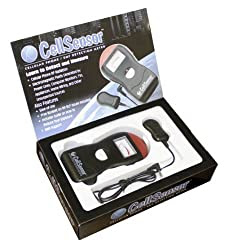
Cell Sensor

There are various devices and instruments available that can measure electromagnetic fields (EMF). Here are some common methods and tools used for EMF measurements:

Is mmWave Safe? When Can mmWave Be Dangerous?


The safety of mmWave technology is a topic of ongoing research and discussion. While mmWave technology has been used for various applications, including medical imaging and airport security scanners, the use of mmWave frequencies for widespread wireless communication is relatively new, particularly in the context of 5G networks.

There are a few safety aspects to consider when assessing the safety of mmWave technology:

RFK & Joe Rogan on WiFi & Cell Phone Radiation Can Cause Cancer

Robert F. Kennedy on the danger of Wifi Radiation, including cell phone tumors behind the ear, and that he is representing hundreds of people with such tumors.

Do Wireless Consumer Trust The FCC or FTC?

fcc logo FTC logo

Are Home Buyers Reluctant to Live Cell Towers?

house near cell tower

The attitude of homebuyers towards living near cell towers and DAS cell phone antennas can vary. While some homebuyers may have concerns or reservations about living in close proximity to cell towers, others may not view it as a significant issue. 

Here are a few points to consider regarding homebuyers and cell towers:

Buying a Home Next to a DAS Antenna or Cell Tower

Antenna on Utility Pole Next To Homes

If you are buying a home these days you should probably do your due diligence on cell phone towers and DAS antennas that are within a few blocks of your home.   

One of the biggest concerns of a prospective home buyer today is the cell phone reception quality of a home.  Will my new home get a good cell phone signal?  However, most people don't often think of living too close to a DAS antenna on a utility pole (picture above) or a cell phone tower being in their backyard (below).  Here are some articles on cell tower health and safety issues.  Another concern is property values declining near cell phone towers.  

Cell Tower in Back of Home

It is not always transparent if you are new to a neighborhood if there have been historic health and safety issues from a cell phone tower or DAS antenna nearby.  In fact, cell phone companies have dozens of local public relations people on staff to keep the surrounding communities appeased by donating to charities and sponsoring local events.  Public relations is a huge part of trying to squash any negative press or city council issues about putting up new cell phone towers and potential safety issues.  

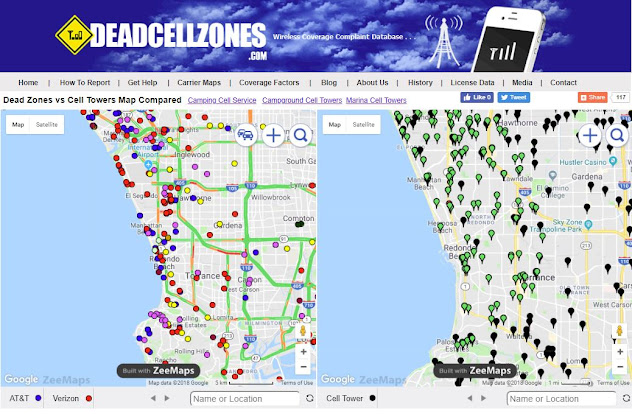
Deadcellzones.com uses public FCC data sources to map cell phone towers and other unregistered antennas (DAS) in the United States.  The cell phone coverage and cell tower map can be found here.  The map on the left shows dead cell zone complaints and the map on the right show cell phone towers and DAS antennas that have been registered and some unregistered antennas.  The green dots are unregistered antennas and the black dots are cell phone towers.  We do not have all registered & unregistered antennas in this map.  If you see a particular area that you would like us to add unregistered cell phone towers please email us.  

Deadcellzones.com Map

We often get emails from real estate agents looking for data to help their clients better understand what cell phone towers exist in the neighborhood near the home.  This is often true of out of state buyers looking at homes who are unfamiliar with the area.   Homebuyers from out of the area often want to know how the cell phone reception is of a particular home or apartment and don't want to be surprised if a cell phone tower or antenna is hanging on a pole near the house. 

Deadcellzones.com is also actively trying to get cell phone reception feedback used by real estate companies like Zillow, RedFin, HomeSnap & Realtor.com.  We think cell reception and cell tower data should be an attribute used by real estate companies similar to how Walkscore provides information about things nearby a home like schools, restaurants, and parks.  

Most real estate companies have been very reluctant to share this data with prospective home buyers for obvious reasons.  Why would any real estate agent want to give a reason NOT to buy a home?  Hopefully, this culture of dishonesty will change in the near future and this data can provide some transparency.  

Some areas in particular where we have a lot of readers are in California.  So if you are looking to find places to live here is one resource that might help when trying to find tiburon apartments

Can Cell Phones Cause Cancer?


The expert panel that evaluates cancer risks today said that cell phones might possibly cause brain cancer.  Full Story from WebMD

The announcement comes from the International Agency for Research on Cancer (IARC). Like the World Health Organization, the American Cancer Society relies on IARC for evaluation of cancer risks.

"After reviewing all the evidence available, the IARC working group classified radiofrequency electromagnetic fields as possibly carcinogenic to humans," panel chairman Jonathan Samet, MD, chair of preventive medicine at the USC Keck School of Medicine, said at a news teleconference. "We reached this conclusion based on a review of human evidence showing an increased risk of glioma, a malignant type of brain cancer, in association with wireless phone use."

In finding cell phones to be "possibly carcinogenic," the IARC means that heavy cell phone use might -- or might not -- cause a specific form of brain cancer called a glioma. The finding means that research is urgently needed to find out whether cell phones actually cause cancer, and how they might do it.

The IARC estimates that some 5 billion people worldwide have mobile phones. Lifetime exposure to the magnetic fields created by the phones -- particularly when they are held tightly against the head -- rapidly is increasing.

Children are at particular risk, not only because their skulls are thinner but also because their lifetime exposure to cell phones likely will be greater than the exposure of current adults.

Related Stories:
How to Measure Cell Phone Radiation Levels
Cell Phones & Cancer Risk?

FCC Could Ban Cell Signal Boosters = Bad Idea

People Don’t Seek Solutions Unless There Are Problems!

Comments on the RCR Wireless Article FCC to address cellphone boosters, jammers and is the FCC losing its' authority and credibility based on this court ruling?

The Federal Communications Commission is considering implementing a law that would make cellphone boosters illegal unless they are deployed by a wireless operator (DCZ:  Wireless operates hate signal boosters b/c they are not under their control)  or with the consent of a wireless operator, a move that could impact thousands of end-users already owning such devices.  (DCZ:  What problem are they trying to solve that the network operators have not dealt with for years?)

The Notice of Proposed Rulemaking before the FCC addresses an ongoing controversy within the wireless industry and could impact devices like MagicJack (DCZ: this product is not a booster its VoIP.  However, they have a product called FemtoJack under development) and other femtocell solutions, as well as local and state governments that want to be able to use cellphone jammers to prevent prisoners from unauthorized use of cellphones. (DCZ:  Or schools who want their kids paying attention to the teacher)  Depending on whose argument you believe, the eventual ruling could even have an impact on net neutrality rules.  (DCZ:  I don't see how this applies to Net Neutrality)  One proponent of signal boosters and jammers said that making boosters illegal won’t address the products already in the market, nor will it stop the sale of signal boosters.  (DCZ:  There are a handful of big companies and thousands of people employed by them with hundreds of thousands of devices already on the market.)

Wireless industry trade association CTIA in 2007 filed a petition for a declaratory ruling at the FCC, asking that it outlaw the sale and use of any device that can enhance or impair cellphone calls. (DCZ:  Might have worked under the previous corrupt Bush Administration)  The petition was a surprise to some third-party retailers, who called RCR Wireless News at the time and thought the story had to be wrong. Therein lies the crux of the problem: a cellphone booster can enhance coverage for a customer, but also has the potential to interfere with someone else’s signal (DCZ:  How often and how can they prove this?). Yet, cellphone boosters have been marketed to carriers and end-users alike as a way to improve the cellular signal in areas where coverage is less than satisfactory – and the reality remains that cellphone coverage in some locations is spotty.  (DCZ:  Carriers need to get their act together with Femtocells first before they decide to outlaw something like this. Signal boosters provide a lot of value in the car.)

The FCC’s definition of signal boosters is fairly broad as it includes amplifiers, repeaters, boosters, Distributed Antenna Systems, and in-building radiation systems that enhance CMRS signals or Part 90 signals. CTIA is asking that the commission rule that companies must have an FCC license to operate a signal booster or have the consent from an FCC licensee (i.e., operator), and that the sale and marketing of devices to unauthorized parties (i.e., end-users or commercial building owners) is illegal.

CTIA also says that wireless microphones, jammers, and new products like the MagicJack femtocell device also are threats to the network.  (DCZ:  What happened to let entrepreneurs create technology to help the industry progress?)

“Unlike wireless handsets, which are under the control of the wireless licensee’s base station, signal boosters cannot be controlled by wireless licensees. However, it is clear that the commission’s rules require carriers to control and govern the use of signal boosters and amplifiers. In fact, this control contemplated in the commission’s rules exists for very good reasons. Signal boosters, because they are not controlled by the base station, do not operate at the lowest possible power. Rather, these devices are intended to operate at much higher power, which raises the noise floor, harming spectrum efficiency and causing interference that leads to degraded or dropped calls unless the devices are properly installed and overseen by the carrier,” CTIA said in comments on the NPRM.

“To address the harm caused by unauthorized signal booster operation, the commission must affirm its existing requirements, which prohibit the sale or marketing of signal boosters to unauthorized users. Currently, many manufacturers and retailers market and sell these products to end-users with the knowledge that these devices do not and cannot comply with the commission’s licensing and interference control obligations. Under FCC rules, the use of signal boosters is only permitted by licensees or parties authorized by licensees. However, illicit sale and operation of these devices will continue to proliferate – and will be impossible to effectively enforce – if the commission does not take prompt action to affirm these requirements.”

Not everyone agrees. Howard Melamed, CEO of CellAntenna, said a blanket “make them illegal” mandate doesn’t solve the problem. It will just force end-users in need of a solution to buy products overseas. “People don’t go out seeking a solution unless there is a problem.”

Howard said some of his clients are hospitals that have needed coverage but not been able to get satisfactory coverage from the carrier. Instead of a blanket mandate, the FCC should force signal-booster manufacturers to tighten the design specifications. He’s also advocated that a registry be created where people can register their signal booster with the FCC so in the event the signal booster is affecting the network, the carrier can know who or what is causing the problem. Melamed also joked in an interview with RCR Wireless News that he is a “persona non grata” within the wireless carrier community.

Wilson Electronics in its filing with the FCC argued that mobile amplifiers should not be subject to the same rules as larger, traditional fixed power boosters. Wilson also said the mobile boosters, designed for personal use in a car, for example, are an example of net neutrality initiatives at the FCC that are designed to allow any device to attach to the network.

CTIA disagrees with that assessment, as well as comments filed by The DAS Forum that recommend a code of conduct is followed, rather than more regulation.

Both CTIA and Howard agree that poor-quality boosters can cause problems. But Howard argues that not allowing U.S. companies to sell boosters that meet FCC certification standards will only lead people and businesses to buy poorer quality boosters overseas. Signal boosters are sold throughout the rest of the world, he said; the controversy only is occurring in North America.  (DCZ:  Pointing the finger in the wrong direction)

Jammer issues

But cellphone boosters are only half of the FCC’s notice of proposed rulemaking. The commission is also reviewing the sale of cellphone jammers, which block signals. Jammers can only be sold to federal authorities under the way the law reads today. Melamed argues that state and local authorities need to be able to use jammers, especially in a society where cellphones are used to remotely detonate bombs and are the No. 1 device illegally snuck into prisons. However, the FCC may not be the final authority on the use of cellphone jammers at the local and state levels. The Senate in October passed the Safe Prison Act, which allows the director of the federal bureau of prisons or the CEO of a state to seek FCC approval to deploy cellphone jammers in their jurisdictions to block wireless coverage in correctional facilities.

Popular Posts