For over two decades, Google AdSense has been a staple for online monetization, offering a simple way for content creators to earn revenue through ads. However, as the digital landscape evolves, the model of earning $0.01 per user is increasingly unsustainable. Is it time to move beyond AdSense? Could Google Reader Revenue be the solution?

Showing posts with label Mobile Ads. Show all posts
Showing posts with label Mobile Ads. Show all posts
What Percent of U.S. WiFi Hotspots Are Free? Exploring America's Free WiFi Landscape

With internet access more essential than ever, free WiFi hotspots provide an invaluable service for staying connected on the go. In the U.S., WiFi hotspots can be found everywhere, from coffee shops and libraries to shopping malls and public parks. But what percentage of these hotspots are free to use? This article dives into the availability of free WiFi in the U.S., top providers, and the impact of free hotspots on communities.
What Percentage of U.S. WiFi Hotspots Are Free?
According to recent reports, approximately 60% of U.S. WiFi hotspots offer free access, though this percentage can vary depending on the location and provider. Many businesses, public institutions, and cities offer free WiFi to improve accessibility and keep people connected.
Factors Influencing Free WiFi Availability:
- Location: Urban areas tend to have more free hotspots than rural locations due to higher foot traffic and demand.
- Provider: Large companies like Starbucks, McDonald's, and Walmart provide free WiFi nationwide, contributing to the high percentage.
- Public Initiatives: Many cities are creating free public WiFi networks to promote connectivity and bridge the digital divide.
Where Can You Find Free WiFi Hotspots in the U.S.?
Free WiFi hotspots are available in a variety of settings. Here are some of the most common places to find them:
1. Restaurants and Cafes
- Chains like Starbucks, McDonald's, and Panera Bread offer free WiFi across the U.S., making them popular spots for remote work and study.
2. Retail Stores
- Many retail giants, including Walmart and Target, offer free in-store WiFi to enhance the shopping experience and keep customers connected.
3. Public Libraries
- Almost all public libraries across the U.S. offer free WiFi to patrons, and many even extend the signal to outdoor spaces for use after hours.
4. Public Parks and Spaces
- Many cities, such as New York City, Los Angeles, and San Francisco, provide free public WiFi in parks, transit stations, and other communal areas to promote accessibility.
5. Airports and Transportation Hubs
- Most major airports and transit hubs offer free WiFi, though some have time limitations.
Top Providers of Free WiFi in the U.S.
Some companies and organizations stand out as leading providers of free WiFi access. These include:
- Google Station: In certain areas, Google provides high-speed WiFi in public spaces as part of its connectivity initiatives.
- Comcast Xfinity: Xfinity offers free hotspots across major cities, though it requires users to log in as guests.
- City-Run Networks: Some cities, including New York (LinkNYC) and San Francisco, have their own free public WiFi networks.
The Benefits of Free WiFi Hotspots
Free WiFi hotspots aren’t just about convenience; they play a significant role in public welfare and accessibility. Here’s how:
1. Bridging the Digital Divide
- Free WiFi ensures that people without home internet can access essential services, job applications, and online education resources.
2. Boosting Local Businesses
- Restaurants, cafes, and retailers benefit from offering free WiFi by attracting more customers and encouraging them to stay longer.
3. Support for Remote Work and Study
- With the rise of remote work, many people rely on free WiFi at cafes, parks, and libraries for a productive workspace outside the home.
4. Emergency Connectivity
- During emergencies or power outages, free WiFi hotspots can be critical for staying informed and connected.
Future Trends: Expanding Free WiFi Access
The U.S. is likely to see a continued expansion of free WiFi, driven by both public and private initiatives:
- Smart Cities: Many urban areas are working toward creating “smart cities,” where free WiFi will be a common feature in parks, public transportation, and government buildings.
- 5G Integration: As 5G networks roll out, they could enhance the reach and quality of free public WiFi by supporting higher data speeds in public areas.
- Private-Public Partnerships: Partnerships between tech companies and city governments could lead to increased WiFi access, especially in underserved areas.
Conclusion
With roughly 60% of WiFi hotspots in the U.S. being free, Americans have widespread access to the internet in a variety of public and private spaces. From libraries and parks to cafes and stores, free WiFi hotspots provide vital connectivity for millions of people every day. As cities and companies continue to invest in expanding free WiFi networks, we can expect even greater internet accessibility, helping bridge the digital divide and offering more convenience to everyone.
Understanding Residential Proxies: Their Purpose and Benefits
In the digital landscape, the use of proxies has become increasingly prevalent, especially in the realm of web scraping, data mining, and online security. Among the various types of proxies available, residential proxies stand out for their unique characteristics and applications. In this article, we delve into what residential proxies are, why they are used, and their importance in today's online environment.
What are Residential Proxies?
China Mobile Free WiFi Hotspots

Exploring China Mobile Free WiFi Hotspots: Access and Benefits
As mobile internet usage continues to rise, China Mobile is at the forefront of providing connectivity solutions through free WiFi hotspots across the country. These hotspots play a crucial role in enhancing access to the internet, particularly in urban areas, public spaces, and transportation hubs. In this article, we’ll explore the availability, benefits, and impact of China Mobile’s free WiFi hotspots on users and the broader community.
What Are China Mobile Free WiFi Hotspots?
China Mobile, one of the largest telecommunications companies in the world, has established an extensive network of free WiFi hotspots throughout China. These hotspots are strategically placed in various locations, including:
- Public Parks: Many parks in urban areas offer free WiFi to visitors, allowing them to connect while enjoying nature.
- Shopping Malls and Retail Stores: Major shopping centers often provide free WiFi to enhance the shopping experience and keep customers connected.
- Transportation Hubs: Airports, train stations, and bus terminals frequently feature China Mobile’s free WiFi, making travel more convenient for passengers.
- Educational Institutions: Many universities and colleges partner with China Mobile to provide students with free internet access on campus.
How to Access China Mobile Free WiFi Hotspots
Accessing China Mobile’s free WiFi hotspots is simple and user-friendly. Here’s how to get connected:
- Find a Hotspot: Look for signage indicating the presence of China Mobile’s free WiFi in public areas.
- Connect to the Network: Use your device’s WiFi settings to scan for available networks. Select the “China Mobile Free WiFi” option.
- Register or Log In: Depending on the location, you may need to register with a mobile phone number or log in using a provided guest access method. Some hotspots may not require any registration at all.
- Start Browsing: Once connected, you can enjoy free internet access for browsing, streaming, and social media.
Benefits of China Mobile Free WiFi Hotspots
The introduction of free WiFi hotspots by China Mobile offers several advantages:
1. Increased Accessibility
- Free WiFi hotspots make internet access available to a larger population, especially in areas where people may not have reliable mobile data plans or home internet connections.
2. Support for Local Businesses
- By providing free WiFi, China Mobile encourages foot traffic in shopping areas and cafes, benefiting local businesses. Customers are more likely to stay longer and make purchases if they have internet access.
3. Enhanced User Experience
- Free hotspots improve the overall user experience for travelers and residents, making it easier to navigate, communicate, and access information in real-time.
4. Community Engagement
- Free WiFi hotspots foster community interaction by providing a space for residents and visitors to connect online, share experiences, and engage with local content.
The Impact of Free WiFi on Urban Development
China Mobile’s free WiFi hotspots are part of a broader initiative to enhance urban infrastructure and digital connectivity. The benefits include:
- Smart City Development: Free WiFi is a stepping stone toward smarter urban environments, where residents and visitors can access information and services seamlessly.
- Educational Opportunities: Students and educators can utilize free WiFi for research, learning, and collaboration, bridging the digital divide in educational settings.
- Economic Growth: Improved connectivity leads to increased online commerce and innovation, contributing to local and national economic growth.
Conclusion
China Mobile’s free WiFi hotspots play a vital role in enhancing connectivity across the country, making the internet accessible to millions of users. By providing free access in strategic locations, China Mobile supports local businesses, fosters community engagement, and contributes to the development of smart cities. As mobile internet usage continues to grow, initiatives like these are essential for ensuring that everyone can stay connected in an increasingly digital world.
Free Google Ad-Supported WiFi Hotspots: Connecting on the Go

In today's digital world, staying connected is more important than ever. For those constantly on the move, finding reliable and free WiFi can be a game-changer. Google has stepped up by offering ad-supported WiFi hotspots in various locations, allowing users to connect to the internet without any cost, simply by viewing ads. Here’s everything you need to know about Google’s ad-supported WiFi hotspots, where to find them, and how they work.
What is a Google Ad-Supported WiFi Hotspot?
A Google ad-supported WiFi hotspot is a free internet service available at specific locations where users can connect to WiFi, sponsored by Google. These WiFi hotspots are designed to provide quick and easy internet access, allowing users to check emails, browse social media, and even stream videos while on the go. Instead of paying for internet, users view a brief ad as a form of “payment,” which subsidizes the cost of internet access.
Why Choose Google’s Free WiFi?
- Cost-Effective: Free WiFi access is ideal for travelers, students, and anyone who wants to save on data costs.
- Easy Access: Unlike some WiFi providers that require detailed logins, Google’s ad-supported hotspots are generally quick and simple to connect to.
- Widely Available: Google has expanded its ad-supported WiFi hotspots in cities, public transport stations, airports, and popular public spaces.
- Secure Browsing: Google’s WiFi networks are designed with security in mind, ensuring users have a safe browsing experience.
How Google’s Ad-Supported WiFi Hotspots Work
Google’s WiFi hotspots are straightforward to use:
- Find a Google WiFi Hotspot: Look for hotspots in places like malls, airports, public parks, cafes, and other high-traffic areas.
- Connect to WiFi: Open your WiFi settings, select the network (usually labeled as “Google WiFi” or similar), and connect.
- View an Ad: Before gaining internet access, users view a short ad that typically lasts around 15-30 seconds.
- Browse Freely: After the ad, you’re connected and free to browse, stream, or work online without any charge.
Where to Find Google Ad-Supported WiFi Hotspots
Google’s ad-supported WiFi hotspots are expanding across major cities and countries. Here are some key locations where you can likely find one:
- Public Transit Stations: Many cities have partnered with Google to provide free WiFi in subway and train stations.
- Airports: Major airports often feature Google-sponsored WiFi to keep travelers connected while they wait.
- Cafes and Restaurants: Many cafes, coffee shops, and fast-food restaurants partner with Google to offer free internet to patrons.
- Shopping Centers and Malls: Google WiFi is often available in popular shopping centers and malls, where people spend time.
- Parks and Public Spaces: Some parks and large outdoor areas offer ad-supported WiFi, making it easy for visitors to stay connected.
Pros and Cons of Using Google’s Ad-Supported WiFi
Pros:
- Free Internet Access: Save on data costs by connecting to the internet for free.
- Simple to Use: Connect and browse after a quick ad view.
- Broad Coverage: Increasing availability in popular spots and urban centers.
Cons:
- Ad Viewing Requirement: Some users may find ad-viewing before connecting a slight inconvenience.
- Time Limits: Some locations may have usage time limits, after which users may need to view another ad.
- Network Congestion: High demand can occasionally lead to slower speeds, especially in crowded areas.
Security Tips for Using Public WiFi Hotspots
While Google WiFi hotspots prioritize security, it’s wise to follow a few simple tips when connecting to any public WiFi:
- Avoid Sensitive Transactions: Try not to access banking or sensitive personal accounts while on public WiFi.
- Use a VPN: A virtual private network (VPN) encrypts your data, adding an extra layer of security.
- Enable Two-Factor Authentication (2FA): For accounts that support it, 2FA is a good safeguard if a public network is compromised.
- Disconnect When Not in Use: Always disconnect from the network when you’re done browsing to reduce security risks.
The Future of Google Ad-Supported WiFi Hotspots
Google’s WiFi hotspots are part of a broader trend of ad-supported services, offering essential internet access in exchange for ad engagement. This approach not only makes internet access more affordable but also widens the accessibility of the internet for communities worldwide. Future partnerships with public transport systems, government bodies, and major retailers could help Google continue to expand these hotspots.
How to Make the Most of Google’s Free WiFi Hotspots
For frequent travelers, students, and anyone who frequently uses free WiFi, here are some tips to maximize your experience:
- Plan Ahead: Identify hotspot locations along your route to stay connected.
- Manage Data: If you have a limited mobile data plan, these hotspots are a great way to save data for essential tasks.
- Stay Aware: Google’s hotspots are available in many high-traffic areas, but always check the security and be mindful of data usage to ensure you’re connecting safely.
Conclusion
Google’s free ad-supported WiFi hotspots are a valuable resource for anyone looking to stay connected without relying on data plans. Available in popular locations, these hotspots offer convenient, free internet access in exchange for brief ad views. As Google continues to expand this network, more people around the world will gain access to essential internet services, bridging connectivity gaps and fostering a more connected world.
For those always on the move, Google’s ad-supported WiFi hotspots provide an easy, affordable solution to stay connected. Be sure to look out for these hotspots on your next trip to keep your data costs low and your connectivity high.4o
Is AT&T Considering Ad Supported or Possibly Free Phone Service?

AT&T Inc is considering selling ads partially discounted cell phone plans as soon as a year from now, Chief Executive John Stankey said in an interview on Tuesday. According to Reuters.
How Famous Youtubers are Earning Money

With a reliable internet service provider like Suddenlink, many vloggers in the United States started creating their videos and editing it to gain more attention. Channels began to grow as more people became interested in subscribing to their favorite YouTubers, and more videos were made in a shorter span of time. In the end, those who had the most number of subscribers had the most advantage in dominating the YouTube Partner Program. However, YouTube manages to change the rules every few years, and those who are earning money through the monetization of their videos would sometimes receive various amounts. The total earnings that each YouTubers make depend on a lot of factors, and they do not earn a constant amount.
There are rules to be followed if someone wanted to become a YouTuber who makes videos for a living. The first requirement would be creating a YouTube account or a Google account, and once your account has been verified by either YouTube or Google, you should go straight into your channel and review the settings. Make sure that you check the box which will automatically monetize your videos. The next thing that you have to do is to visit the Google Adsense website and review the settings. This is where you will be putting information like how you wanted to get paid and the bank of your choice. Once you managed to set it up, you can start shooting your videos and uploading them into your channel to start earning money.
The first thing that you need to do is to increase the number of subscribers who are tuning into your channel. The secret to increasing your subscribers would be adding a "Subscribe" plea on your videos to remind the viewers to subscribe. You can also ask your friends and family members to subscribe on your YouTube channel to get your subscribers tally a kickstart. Once you managed to earn your first few subscribers, work hard to gain additional people who would be viewing your videos. Once you are able to create a huge following, like 10,000 subscribers, try to make daily uploads so that the subscribers will be enticed to watch more of your videos. The next thing that you need to work on is increasing the views on your videos. This part requires a lot of luck, and you should think about the strategies on how to make a video go viral, like having a fast internet service to monitor directly how the views are unfolding. Watch tutorials available on YouTube and read blogs online to see how others made it possible for their videos to go viral.
Once your video goes viral, and it managed to produce millions of views, expect your earnings to skyrocket. You can check your channel dashboard quickly if the internet signals are strong and see how your video is performing. If you allowed the video to be monetized, there should be a green dollar sign right next to your video thumbnail, showing that your original content is earning money. If your earnings reached up to $100 a month, you will be receiving a paycheck from YouTube, and it could be in the form of electronic money transfer to your bank. The cycle would continue for months, and it should encourage you to create more videos and uploading them online. However, remember that there are rules that you need to follow when monetizing your videos, and one of the most dreaded rules imposed by YouTube would be preventing other people to steal content and copyrighted materials, so make sure that all of the materials used in your video is 100% original.
Bluetooth Beacons Are Used Like Mobile Phone Cookies

Bluetooth Beacon Transmitter
Bluetooth proximity marketing is the latest marketing technique being deployed by retailers, Governments and sporting venues to track users. How these groups benefit from it? They do it through proximity marketing and it is about connecting with your audience at the right place and time.
Bluetooth is a short-range wireless system found on most smartphones and tablets that transmit information and can receive information. Most people currently use Bluetooth for hands free in our cars or to connect to a wireless speaker. Bluetooth proximity marketing involves setting up Bluetooth "broadcasting" equipment at a particular location. If your Bluetooth is "turned on" and you are near one of these beacons. Information can be sent to devices via be text, images, audio on enabled devices (aka cell phone, tablet) within range of the transmitter (beacon). A Bluetooth enabled mobile device, when in range of the beacon (transmitter) receives the signal and then via the device's operating system, passes information to the appropriate mobile app(s).
Several things need to happen beforehand.
1) Bluetooth is turned on
2) A Bluetooth beacon transmitter must be nearby
3) The targeted individual should have a specific application installed on the their phone that is capable of receiving a push notification.
What information is collected?
1) The ID of the phone and user of the phone
2) Cellular or Wifi signal strength issues
3) Locations traveled of other beacons in the area (for example locations within a store).
Why Pandora Could Be The Next Google
 |
| Pandora is Not Just About Music |
- Pandora is FREE and buying music via Apple iTunes is very expensive
- Discovery of new brands, products, bands and music is endless
- Its not JUST about music. Pandora will recommend TV, Movies and Videos?
- The Music Genome Project can apply to other things using 1's and 0's
- Ad-supported cloud-based business models are red hot
- The average person listens to 13 hrs of radio & 3 hours of owned music/week
- Pandora currently has 94M registered users up, up from 77% from 53M
- The company operating almost break-even only losing $6.8 million
- Revenues of $51 million, up 131% from $21.6 million in qtr
- Projected revenues of $250M in 2011
- Active listeners of 34 million, up 88% from 18 million
- Average listener hours up 127% to 1.6 billion hours from .7B hours
- Pandora’s adoption driven by Apple iPhones, iPads and Android Phones
- Pandora 94M users with only 1% of customers are paying (huge upside)
- Netflix 25M subs paying $100 per year forecasting 50% growth (Market Cap 13B)
- Sirius 25M subs paying $100 per year forecasting 40% growth (Market Cap 8B)
- Only a $5 CPM covers the cost of running the Pandora service (upside)
- Pandora hasn't even started to sell local advertising yet (huge upside)
- Pandora's display advertising is targeted, relevant and not annoying.
- Entertainment & telecom companies hate change (upside)
- Wireless carriers may up sell data plan packages Pandora mobile data plans
- Small stock float only 9.2% of shares outstanding compared to 24% tech avg
- An interesting short squeeze opportunity with all the negative sentiment
- Reed Hastings of Netflix says WiFi in TVs is a revolution. (huge upside)
- Pandora TV app eliminates need for the expensive home audio system
- Pandora is another reason you don't need a cable box anymore
This is ongoing list I will continue to add to. Please submit your suggestions below. See this company presentation on Slideshare about what the Genome project is measuring for recommendations. Its not just likes.
Related Posts:
Why Apple or Google Should Buy Pandora
Pandora vs Rhapsody Compared
Why DataCaps Are Killing iPhone App Market
Related Posts:
Why Apple or Google Should Buy Pandora
Pandora vs Rhapsody Compared
Why DataCaps Are Killing iPhone App Market
Cox Location Based Advertising

How does location based advertising work for broadband and TV subscribers? According to the Cox web site their: location-based advertising helps deliver offers and incentives from national brands and local businesses with content tailored to your area. Location based advertising uses your zip code, including the last four digits, to identify your area and display relevant ads.
How Many WiFi Hotspots are in the World?
 |
| 100,000,000 WiFi HotSpot Locations Around the World |
WeFi has 92,000,000 hotspot WiFi locations in its location database from its users who collect location based IP address in mobilie phone apps through war driving and normal use. JiWire has 560,000 registered locations and Boingo has 325,000 paid registered locations. By conservative estimates 100M is probably only half of the WiFi hotspots assuming only 50% have been found or registered. The sadist part only a fraction of these (less than 1%) are registered and open for public use. What if all of these WiFi locations were free, open or ad supported like the popular Fon.com shared WiFi model in France? I call it a disruptive Wireless Revolution that doesn't bode well for AT&T and Verizon who want you to pay $1,000 per year for unreliable 4G LTE.
AdMob & Blogger Need to Help Publishers with Mobile Formats
 Google is forecasting huge numbers of mobile advertising dollars viewers who will be accessing content on mobile phones. However, there is one problem with this forecast in my eyes and that is the lack of mobile content that is properly formatted for viewing on a 3"-7" phone screen.
Now that publishers are starting to see a huge proportion of their readers using iPad's and Android tablets to view their content its going to be critical for Google to start thinking about mobile formats for their customers. 15% of our readers are accessing our blog content DeadZones.com using a mobile browser and this number is growing quickly. Below is a chart of the various mobile operating systems of our readers.

I have been a Blogger.com publisher for as long as I can remember and there are likely millions of other publishers like me who make money off of AdSense. Blogger a great content management system (CMS) for small publishers and I have always resisted moving to WordPress which is the largest competitor. However, Blogger seems to be falling behind the times and needs to help publishers start formating for mobile content.
Google purchased Ad Mob to start monetizing content used n mobile platforms for advertisers but publishers are still trying to figure it out how to properly format their content. I don't want to use a developer to format content for hundreds of different mobile platforms because I will never see an ROI for me effort. This should be something that is included in the Blogger.com platform if they truly want make more money from mobile advertising.
So I recently went through the exercise of signing up for Ad Mob which was easy already having an Ad Sense account and I created a mobile WAP-based site. See our site at m.deadzones.com which we built using our Deadzones.com RSS feed and sending that to Mippin.com for formating. This was very easy to do but still requires my users to click on the WAP link to view the content in a mobile format. This is not efficient and the thus the bounce rate is very high for my mobile users. Blogger should be helping me auto redirect my users by detecting the browser. I am not an engineer but this seems like a simple fix that could add thousands of mobile advertising impressions to their inventory.
Auto-redirecting is one technique of automatically sending visitors who click on a link to your website to view a properly formated web page at a different URL without the need to click a link. Building a mobile app is another technique that requires users to download and application in an app store and is costly to develop. Embedding mobile content publishing techniques into any CMS platform seems to me like the next step for Blogger, Wordpress and any other platform. It should not be limited to developers or enterprise applications or servers and would like see it trickle downstream to the little guy.
Free Gogo Inflight Wifi from Google Chrome

Kudos to Google and Gogo this holiday season! Google Chrome (the browser team) has partnered with AirTran Airways, Delta, and Virgin America to offer free Gogo Inflight Wi-Fi on every domestic flight from November 20, 2010 through January 2, 2011. These participating airlines have outfitted their entire domestic fleet with Gogo Inflight Wi-Fi, and we expect more connected passengers this holiday season than ever before! Just bring a Wi-Fi enabled laptop or smartphone and stay onboard.
Google is also promoting its Chrome browser in anticipation of this become a very powerful mobile platform that will help solve many of the rendering problems web surfers have when going to a website that is not WAP enabled. Many think this could be very disruptive to the iPhone app and Android application development business. In theory, this will allow you to go to any web page from your mobile phone using Chrome.
4G False Advertising Lawsuits Are Coming
 |
| Where is Andy Rooney When you Need Him? |
Here is an independent analysis of 4G speeds compared from AT&T, Verizon, T-Mobile and Sprint. These carriers are not held accountable for their speeds and won't anytime soon because the governing bodies are a bunch of puppet wimps. Carriers will soon start suing each other and consumers will start suing the carriers for false advertising for the chaos. These lawsuits should start popping up any day because our FCC and Consumer Groups are completely spineless governing bodies that can't regulate. Ultimately lots of money will be made by aggressive lawyers and consumers will be left with holding a bag of shit. It seems the planned obsolescence is the only way to sell ice to Eskimos and keep the industry alive.
I think we are at the tipping point of innovation and WiFi and this could change everything. Our advice is to fight for free Wifi and more open public wifi hotspots. Cutting out the carrier is the only option as this might be the final straw that breaks their back.
Wi-Fi Direct Location Based Social Networks
 |
| Smartphone Acting As A WiFi Hotspot |
W-Fi Direct devices allow mobile mobiles to act like a Wi-Fi access router for Wi-Fi enabled machines. This is going to make it easy for groups of people in proximity to share files between laptops, phones or push a video from a handset to another Wi-Fi device. It could potentially be used for home entertainment networking, bars, sporting events, social gatherings, restaurants, conferences or multi-player gaming. Wi-Fi Direct devices can now connect in a new way that makes it more simple and convenient than ever to do things like print, share music, videos and pictures on the home network. This will undoubtedly open up brand new industries that feed off of location based social networks like Four Square, Gowalla, Facebook Places, Groupon.
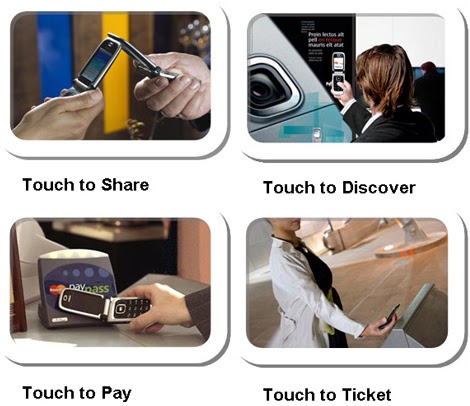
It remains to be seen how manufacturers and carriers will allow consumers to use Wi-Fi Direct. The standard could be limited by manufacturers and wireless carriers, who may be wary of allowing the feature to flourish without their control. Carriers, for example, could prevent a phone from acting like a Wi-Fi hotspot, something they already do with some Android devices. Let’s hope that major players like Apple and Google let Wi-Fi Direct reach its full potential. This will also probably be the beginning of the end for MiFi
 devices.
 |
| Sharing Music on iPhone Using WiFi Direct |
The Wi-Fi Alliance said 82 million Wi-Fi-enabled portable consumer electronics devices and 216 million Wi-Fi handsets will ship this year with 26 percent annual growth projected through 2014. Meanwhile Wi-Fi hotspots are growing at a rate of 40% per year to over 80,000 and that is 5X faster than cell phone towers.
Why Apple or Google Should Buy Pandora

Consumers Don't Want to Own Music Anymore
How much longer can iTunes maintain its leadership position as the middleman for content owners to consumers? I think the device manufacturing giant needs to think very quickly about buying a service like Pandora. What is holding them back from spending their $50 billion dollars in cash? Do they think they can recreate a similar experience themselves? Is Apple afraid of cannibalizing their business of music and programming downloads? My sense it is likely because AT&T, Verizon, Sprint & T-Mobile don't have their networks in order to handle the additional data streaming on 4G, LTE, Wimax. However, this could be a strategic move if the new iPods and Shuffles become Wifi enabled.
Google on the other hand doesn't have a music play and Pandora will start being used more frequently in the car. Google could quickly bring a lot of location based advertising inventory onto the market with Pandora's 50M+ users. Apple and Google have both shown their interest in predictive analytics which is Pandora specialty in music. Pandora uses this predictive playlist to recommend other songs you might like to keep you connected. The predictive playlists are an incredible user experience and are starting to carry ads that are relevant to the music. The Pandora experience on my Samsung TV and new G2 phone. It won't be surprising to see that Google TV also has a streaming music option very soon. The question is whether they build it or partner with someone like Pandora?
Mobile TV: Slingbox vs MobiTV FloTV Hulu


 still works great and does not require a monthly subscription. That is a depreciating monthly cost of $4 and only getting better as I continue to use the Slingbox for me content. SlingMedia is now owned by Dish Network and it will be interesting to see how long the service will remain free or if advertising will soon be inserted into the application as an overlay.
The great thing about Slingbox is whether you have AT&T U-Verse, Comcast, Cox, Time Warner or Cablevision, you can watch your live TV or DVR from anywhere around the world on your PC or MAC computer. If you want to watch TV on a mobile phone the $30 SlingPlayer mobile phone application is available on most phones including the iPad
 , Android, Blackberry and iPhone. Slingbox allows you to fully control your DVR with a digital remote that looks exactly like your TV remote control. The Slingbox sits on top of your DVR uses infrared to change the channels just like you would with your remote control if you were sitting in your living room.
  device for $100 plus a monthly fee of around $10 per month. Some other alternatives might soon be Hulu but there application is not widely used as of yet on the mobile phone. Hulu has a great library of scripted content but it lacks sports and live TV. If you are willing to dump your cable TV service read here on how to cut your cable TV cord.
AT&T interested in Flo TV spectrum Per Bloomberg & Qualcomm and AT&T are engaged in discussions over the possible sale of Flo TV spectrum. Qualcomm which is exiting the Flo TV business had paid $638 million for the 700 MHz spectrum.
10 Reasons Why Skype Will Make You Rich

Skype's IPO could be one of the hottest new technology stocks to hit Wall Street since Google's IPO at $100 per share in 2004. If Skype (now the largest wireless carrier in the world) does in fact do a silent auction IPO (similar to Google's IPO process) and only sells a small portion of the company (< 25%) I think the stock will fly higher. Owning shares of the Skype IPO could make you rich and dumping your wireless carrier could save you even more money and make your richer. Here are 10 reasons why this could be one of the most exciting and disruptive companies to big telecom over the next decade. The day of reckoning may soon be here . . .
#1 - Making quality 3G phone calls over AT&T, Verizon, Sprint & T-Mobile is impossible. It is a rarity these days when my call doesn't drop in the first few seconds or on a call. The carrier networks are just horrible and do not work and the problem is only getting worse.
#2 - If you have ever used Skype to make international phone calls you know just how special and unique the service is. The voice and video quality is tremendous. I am always perplexed why the same video quality experience can't be achieved when make Skype calls inside the US. I say it's big telecom technical shenanigans screwing with VoIP packets across the network.
#3 - The service is currently FREE for Skype to Skype calls. As soon as this company is public the shareholders will likely demand more profits and demand the company expand its advertising capabilities for its free users. Personally, I don't really care because Google did the same thing and I think their search advertising is highly relevant.
#4 - Making Skype to any phone line is dirt cheap and will likely soon be free as well as soon as their advertising CPMs are high enough to pull the 2 cents per minute rates.
#5 - Skype will soon be the largest carrier in the world with over 500+ million active users and they have 13% of the International call market share according to The Inquisitr. China Mobile is #2 with 527 million users, #17 Verizon 92M, #17 AT&T 87M, Sprint 48M, T-Mobile USA 33M.
#6 - Skype's annual revenue will near $1B next year even though only 6% of their customers are paying for minutes according to Tech Crunch. Skype is wildly underpricing the value of their service and yet most consumers continue to pay their wireless carrier $50 per month or $600 per year.
#7 - US wireless carriers are still hawking prepaid data plans where minutes expire. This is a complete scam and will likely be disrupted in the coming years as consumers and businesses get smart. Pay as you go and advertising-based plans could save most users thousands of dollars per year.
#8 - Every smartphone will soon have a front-end video camera and some time of Skype or Google Voice software client on the phone eventually. With Google Voice gaining steam this will only continue to educate consumers that VoIP phone calls over Wifi is the only way to make calls.
#9 - US wireless carriers are investing billions of dollars to build out 4G, LTE, WiMAX networks when more like more than 50%+ of phone calls are made indoors. Wifi is still the best solution to connect through Skype to VoIP and likely will be for years to come. Why do you need an expensive voice service?
#10 - Have you ever tried shopping for a phone in Europe or Asia? Well, guess what you get to pick the wireless service FIRST and then the carrier. Sounds backward doesn't it having to chose the iPhone being locked into AT&T. Consumers are tired of cell phones being tied to specific carriers and want a standard platform where all phones work on all carriers. No more contracts and horrible wireless service carriers who's only value is lining the pocketbooks of shareholders with huge dividends. Skype's service and Android operating system may soon have the power, scale and leverage to make this happen throughout the world with a Skype Phone.
Verizon's Arrogance Now Rules the Air

VZW Rep Blog Comment: Look we employees really don’t give a nuns c*nt about you customers a.k.a transmitters. In fact, when we finish up with you on the floor we go back to the inventory room and make fun of you and talk about how your wife was giving me the f*ck me eyes lol Then she took my business card when you weren’t looking. Anyway, we offer you premium services, you’re going to be paying premium prices. If you don’t like that, go to t-mobile you cheap f*cks. So tired of reading comments from our whiney customers on here. Stfu and pay up or leave, we don’t need you. We are the best cell service available. You will do what we feel fit. Accept that or leave our service. Stop coming in to stores and b*tching about prices of phones. Stop asking for free sh*t, we are not a non profit organization. Buy some accessories, I don’t want to hear your cheap skate shpeil about how you can get a car charger online for five bucks. Meet me in the middle here and I will pull out of your wife after she texts me asking to meet up when your working. If you don’t, I’m going to leave you a slimy present, all though you’ll just think she’s all wet for you lol.
This time its going to come back in bite them in the ass and its going to be free Wi-Fi that is going to do it as they begin to role out expensive LTE. Verizon won't rule the air very long when wireless technology researches perfect the much needed Wi-Fi "hand-off" capabilities. There will soon millions of open Wi-Fi networks around the world and it will draft the cell phone towers.
Is Google Buying T-Mobile?

Rumors have abounded for many years that the search engine giant and the 4th largest US carrier would get together. T-Mobile has been experiencing some growth and management issues lately and the parent company Deutsche Telekom might be getting impatient and ready to make a big move. T-Mobile operates under the radar in the US and was the first carrier to offer Android handsets which helped it gain some market share.
Google also owns a large stake in femtocell company Ubiquisys which manufactures femtocells (mini cell phone towers for your home). We think public femtocells through Wifi or 3G / 4G are a great location-based advertising opportunity that the advertising giant could give a shot in the arm. See Femtocells + Google Location Based Advertising. We also think as AT&T and Verizon begin to use data caps that Google must defend its mobile advertising position and one way to do this is just buy a carrier.
This advertising promotion seems to me like a foreshadowing of what could dovetail into other free phone offers as Google gets better at monetizing data on the handset. Instead of thinking of handset comparisons, shouldn't we be thinking about mobile location-based services that are ad-supported wherever we roam? We think that phone service will eventually be free for limited use and all handsets will be smartphones. As soon as location-based advertising and eCPMs for publishers are high enough I think this will happen. Dumb pipes will no longer be dumb. This could present an interested challenge for the larger carriers AT&T and Verizon who are not very resourceful about mobile advertising.

Popular Posts
-
 Yosemite National Park, located in California, is known for its stunning natural beauty and attracts a large number of visitors each y...
 -
 Understanding why it unlocks makes prevention a lot easier. The most common reasons include: 1. “Raise to Wake” activates inside your pock...
 -
 Which City Gets The Most Cell Phone Coverage Complaints?
 -
Spam calls and texts aren’t just annoying—they waste time, invade privacy, and can even trick people into scams. With robocalls and phishi...
-
For years, Verizon Wireless has been known as the most reliable network in the United States. Many customers paid more for Verizon service...
-
Do Wireless Carriers Care About Reported Dead Zones? What They Prioritize—and What Actually Changes If you’ve ever stared at a “No Service...
-
In the rapidly evolving world of mobile connectivity, choosing the right network provider can be daunting. With giants like Verizon , AT...
-
In recent years, the race to connect the world wirelessly has intensified with innovations like SpaceX's Starlink sate...
-
 Cricket Wireless Coverage Map Cricket vs AT&T vs Boost Mobile: Coverage & Network Comparison (2025) While Cricket Wireless, A...
 -
 Airvoice Wireless Coverage Map Airvoice Wireless Database Plans You may use any unlocked 850/1900 MHz GSM device with Airvoice. You ...


